Video
Consultation


عربى

Video
Consultation

Book An
Appointment

Accident & Emergency
99616 30000

Help Desk
99616 40000

Robotic
Surgery
Patients Login Portal
THE ECMO TEAM
The ECMO team consists of Cardiac surgeon, Cardiac anesthesiologist, nurse practitioners, physician assistants, perfusionists (those who make sure the ECMO machine works properly), ECMO coordinator, ECMO specialists, critical care nurses, respiratory therapists, physical therapists, The ECMO team members work together to provide the best possible care for the patient.
ECMO stands for Extra Corporeal Membrane Oxygenation. It is a machine that helps provide support for patients with a sick heart, lungs or both. ECMO is used when traditional medical treatments have failed. ECMO does not treat the patient's disease; it only supports the body while it tries to get better.
The goal of the ECMO machine is to improve oxygen delivery to the body and remove carbon dioxide (CO2) while the heart and/or lungs recover. Patients often require the support of ECMO for many days and sometimes even weeks. Patients on ECMO also require an intensive care unit setting, as well as a special ECMO team.
Patients who require support only for their lungs are on VV ECMO, while patients who need support for their heart are on VA ECMO. A special machine is used to remove blood from the patient's vein, pass it through tubing (oxygenator) where oxygen is added to the blood and carbon dioxide (a gas you breathe out) is removed. This oxygen-rich blood is then returned to the patient's body.
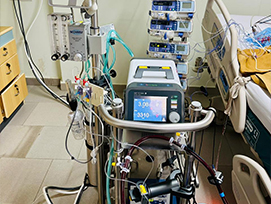
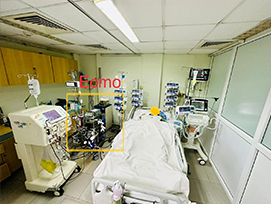
VV ECMO: Veno-venous (VV) ECMO takes blood from a vein and returns it to a vein. It is used to support sick lungs.
VA ECMO: Veno-arterial (VA) ECMO takes blood from a vein and returns it to an artery. VA ECMO supports both the heart and the lungs when they are sick.
The following are some of the indications for ECMO therapy:
The specific indications for ECMO depend on the underlying condition and the patient's overall health. ECMO can provide temporary support, allowing time for the patient's underlying condition to improve or to facilitate further treatment.
The ECMO team, who are trained in cannulation will place the tubes. This will often take place at the bedside, but sometimes it will take place in the operating room.
In VA ECMO, one tube will be placed in a large vein and another in an artery. In VV ECMO, both tubes are placed in a vein. These tubes are then hooked to the ECMO machine.
Blood flows through the tubes, by gravity, and is pushed along by the turning motion of the pump. As the blood goes to the machine it puts oxygen into the blood and takes out carbon dioxide. The blood is then warmed to body temperature and given back to the patient.
As the patient gets better, the ECMO team will set the machine to do less work. The amount of time this takes depends on how the heart and/or lungs heal.
When the patient has gotten well enough, the ECMO machine can be stopped and the cannulas (thin tubes) will be removed. This is usually done in the patient's room. Sometimes it is done in the operating room. This is called decannulation. The patient will remain on the ventilator to help assist with their breathing. As the patient gets better over the next days to weeks, they will hopefully no longer need the ventilator.
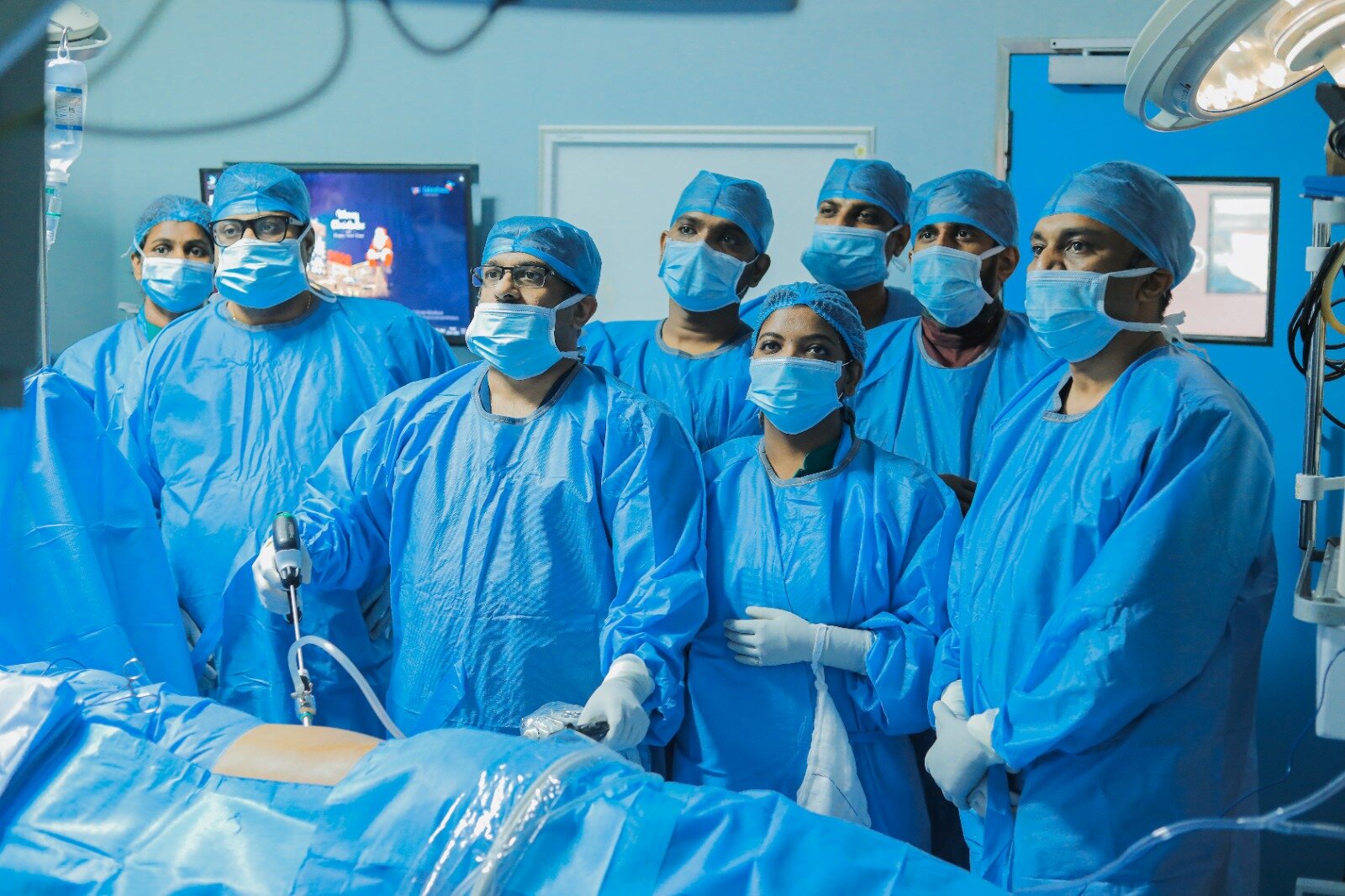
3D Laparoscopic Removal of 4 kg Giant Polycystic Kidney
Avani and Sharon Receive a Wedding Gift: VPS Lakeshore Hospital Chairman Dr Shamsheer Vayalil Announces Free Surgery and Treatment
A Wedding in the Emergency Department: Love Triumphs Over Tragedy at VPS Lakeshore Hospital
സ്പോർട്സ് ഇഞ്ചുറി ചികിത്സയിൽ ചരിത്ര നേട്ടം
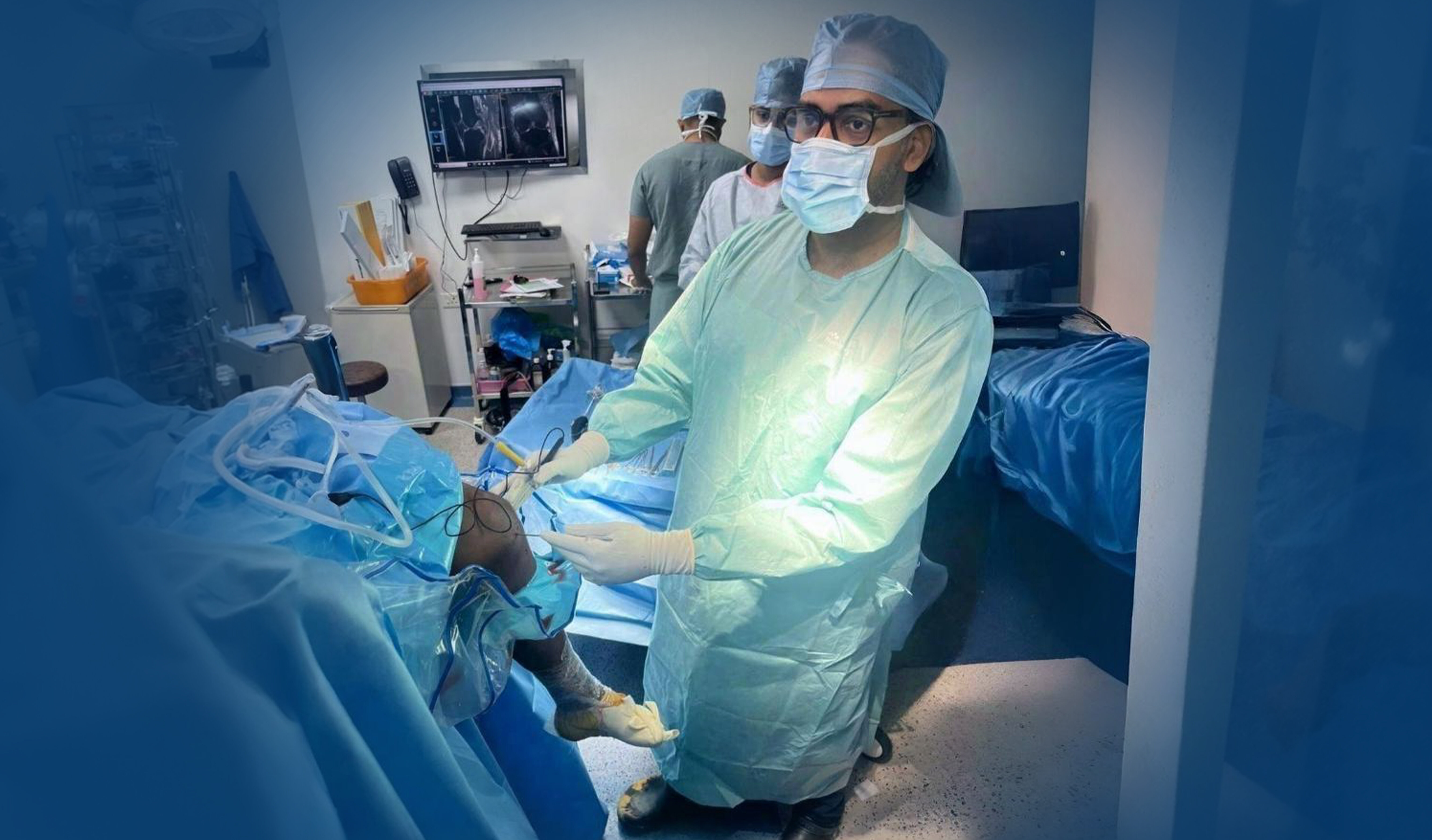
Offering new hope for sportspersons and patients recovering from injuries,
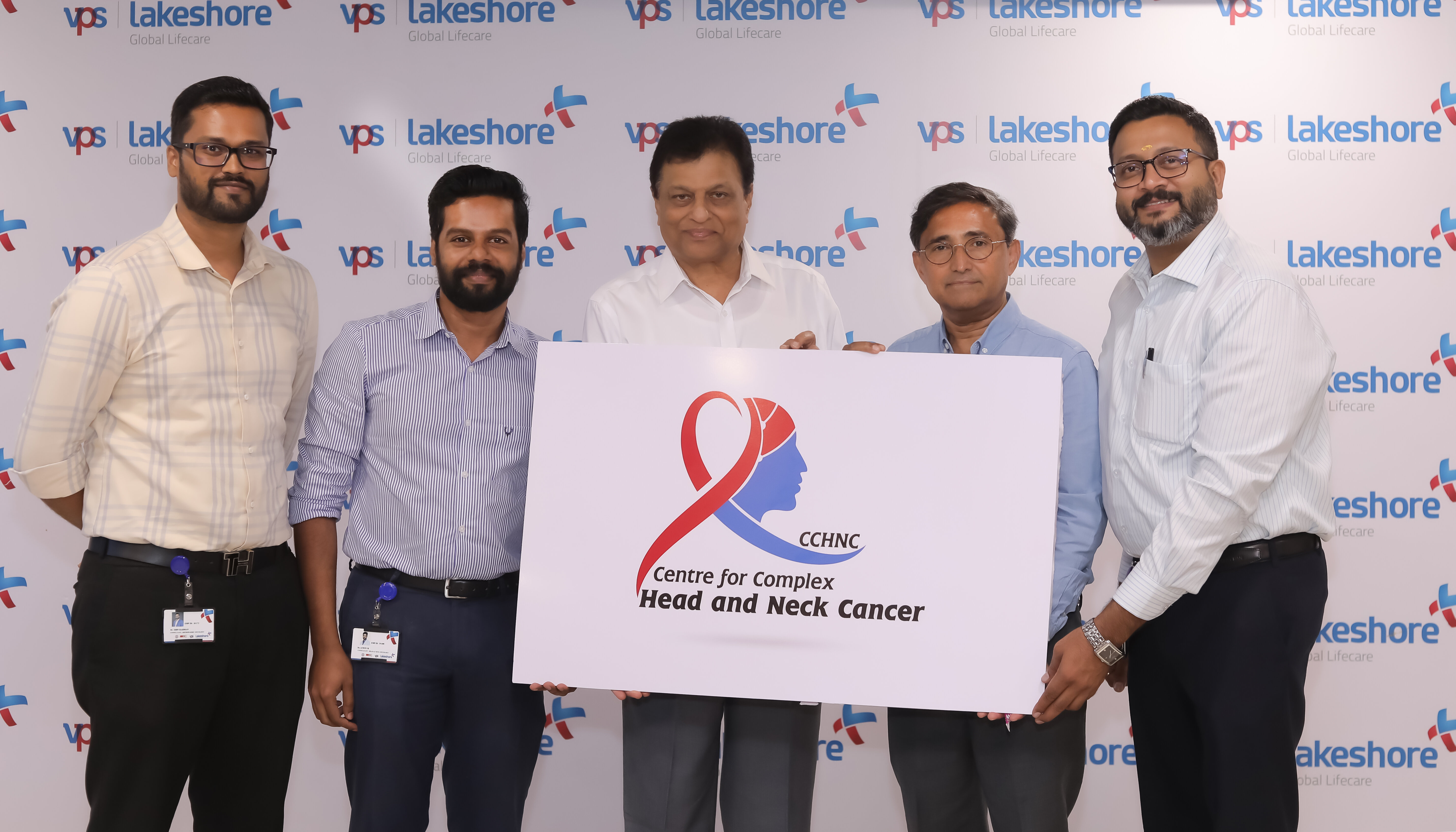
Kochi: VPS Lakeshore Hospital has launched the Centre for Complex Head & Neck Cancer (CCHNC), India’s first dedicated facility for the treatment of complex..
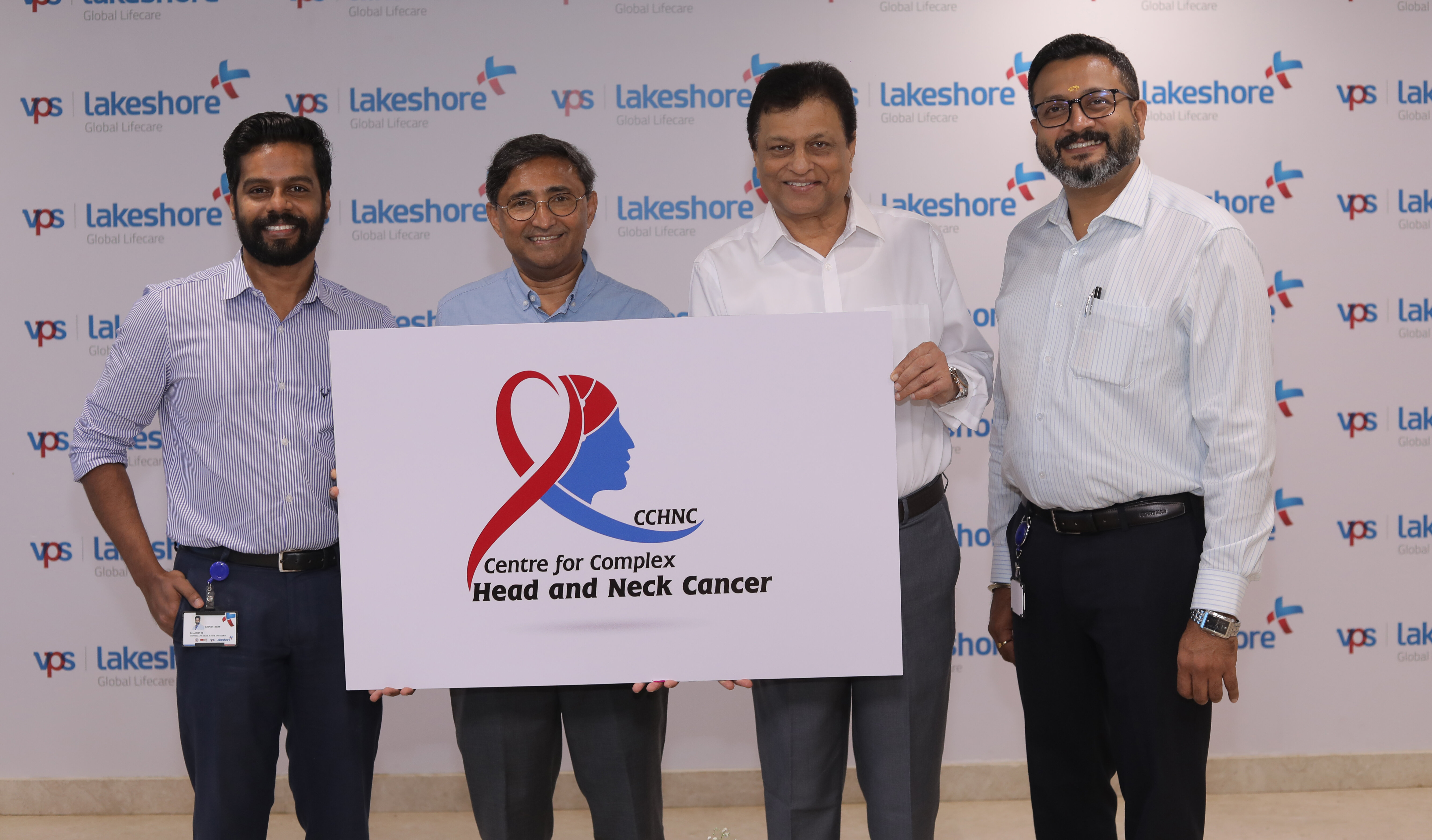
ഏറ്റവും വെല്ലുവിളി നിറഞ്ഞ തല, കഴുത്ത് ക്യാൻസറുകൾക്ക് സമഗ്ര പരിചരണം
Kochi: The Bone and Soft Tissue Cancer Clinic at VPS Lakeshore Hospital,